
If Starbucks shaped your idea of what a coffee drink can be, the menus at China’s home-grown chains may come as a surprise.
Coconut milk, jasmine tea, rice milk, orange juice, grapefruit, butter and even an edible cookie cup can all end up in the same orbit as espresso. Coffee purists may not consider every drink on this list a “serious” coffee. That is exactly the point.
This is not a guide to beans, origins or roasting. It is for people who enjoy Frappuccinos, flavoured lattes and seasonal specials—and who would like to see what happened when China’s fast-moving tea-shop culture met coffee.
The chains below are reasonably easy to find in major Chinese cities. Menus vary by city, branch and season, and several of the more unusual drinks return only for limited runs. Check the brand’s app, mini program or delivery listing before making a special journey.
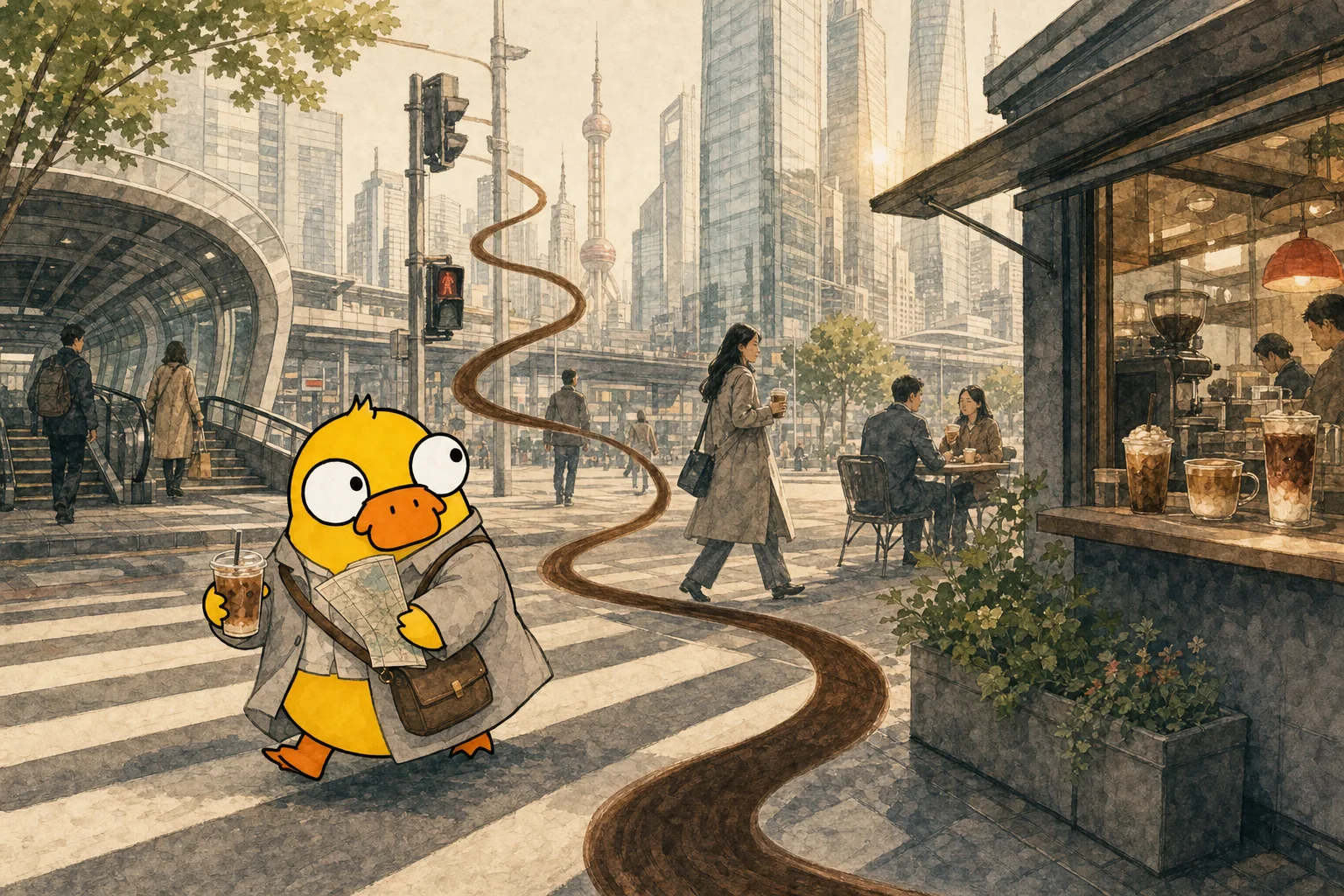
1. Coconut Latte|Luckin Coffee
Taste: Espresso and coconut milk come together in a latte that feels lighter and cleaner than a standard dairy version. The coconut is easy to notice, while the coffee bitterness stays gentle.
Tatia’s take: If you try only one drink to understand modern Chinese chain coffee, make it this one. Luckin’s coconut latte helped turn an ingredient once associated with tropical desserts and tea shops into an everyday coffee order. It no longer looks particularly radical—and that is a sign of how thoroughly it changed the market.
How to order: Start with the standard recipe, or reduce the sweetness if you prefer a more coffee-forward drink. If you avoid dairy, ask about the full recipe: “coconut latte” does not automatically mean dairy-free.
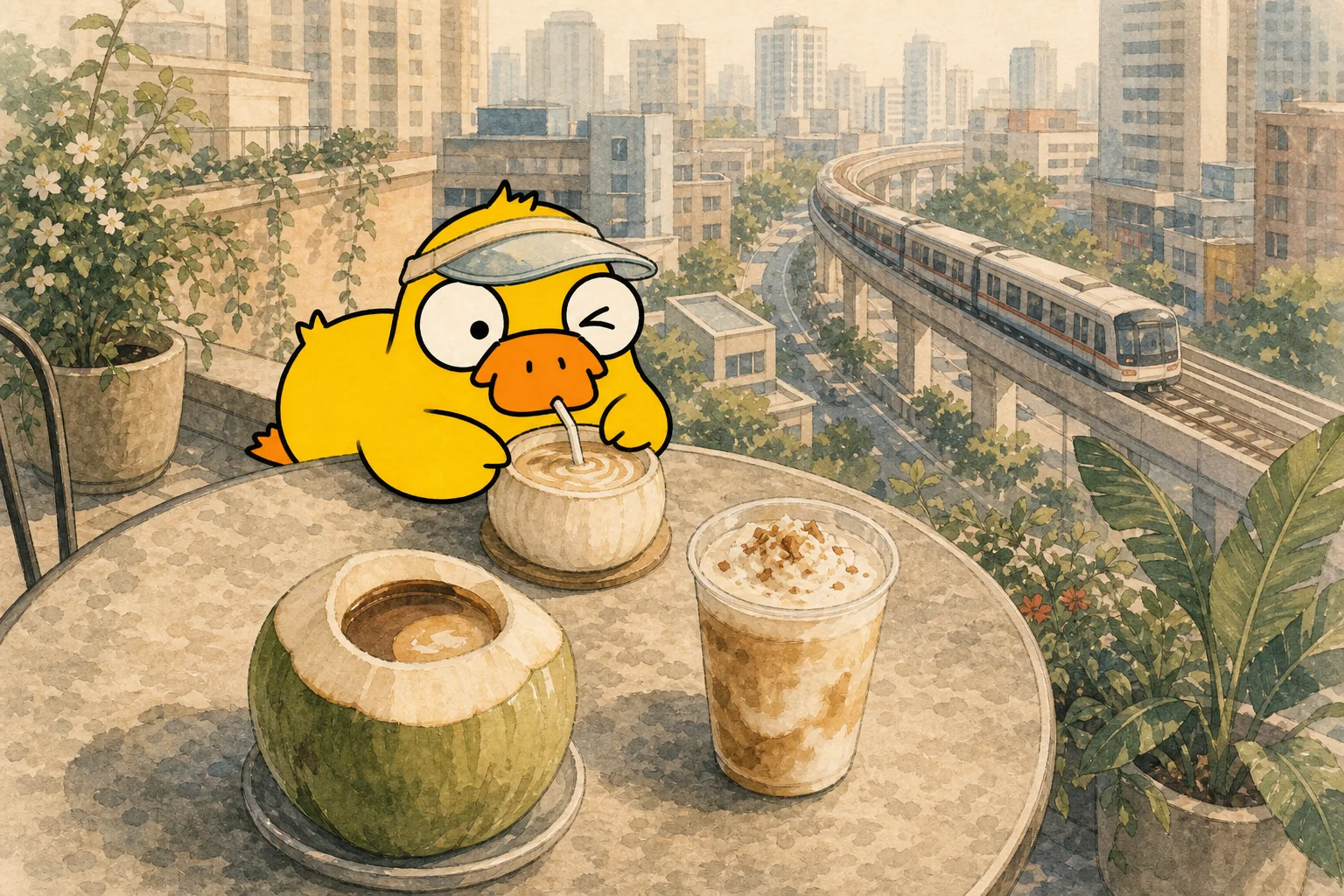
2. Orange C Americano|Luckin Coffee
Taste: Sweet-tart orange juice hits first, followed by the roasted bitterness of an Americano. Think breakfast orange juice with a caffeinated finish.
Tatia’s take: Espresso and orange juice are not uniquely Chinese, but Chinese chains have made fruit coffee much more mainstream and convenient. This drink is a good example of tea-shop logic moving into coffee: bright fruit, an instantly understandable flavour and plenty of visual appeal.
How to order: Standard or light ice works well. Skip extra sugar on your first try, and give it a gentle stir so the fruit and coffee do not drink like two separate layers.
3. Jasmine Latte|Luckin Coffee
Taste: Jasmine tea arrives first on the nose, followed by soft milk and a mild coffee bitterness. It is more floral than a vanilla latte and usually feels less dessert-like.
Tatia’s take: The tea is not there merely as a novelty. Jasmine lifts the roasted edge of the coffee and gives Chinese tea drinkers a familiar aroma inside an otherwise familiar latte. It is one of the easiest introductions to cha-ka—China’s growing tea-coffee crossover.
How to order: Choose a lower sweetness level if you want the jasmine to remain clear. Remember that a tea-coffee drink may contain caffeine from both the tea and the espresso.
4. Butter Latte|Luckin Coffee
Taste: Creamy, buttery and deliberately indulgent, with an aroma that may remind you of freshly opened popcorn or butter cookies.
Tatia’s take: This is not a drink for analysing subtle tasting notes. It is a liquid dessert built around a vivid, familiar food memory. That approach—creating an easy-to-picture flavour first, then fitting coffee into it—is a major part of China’s chain-coffee playbook.
How to order: Reduce the sweetness if rich drinks tire you quickly. The dairy and butter character is central, so vegans and people with milk allergies should check the recipe rather than relying on the English name.

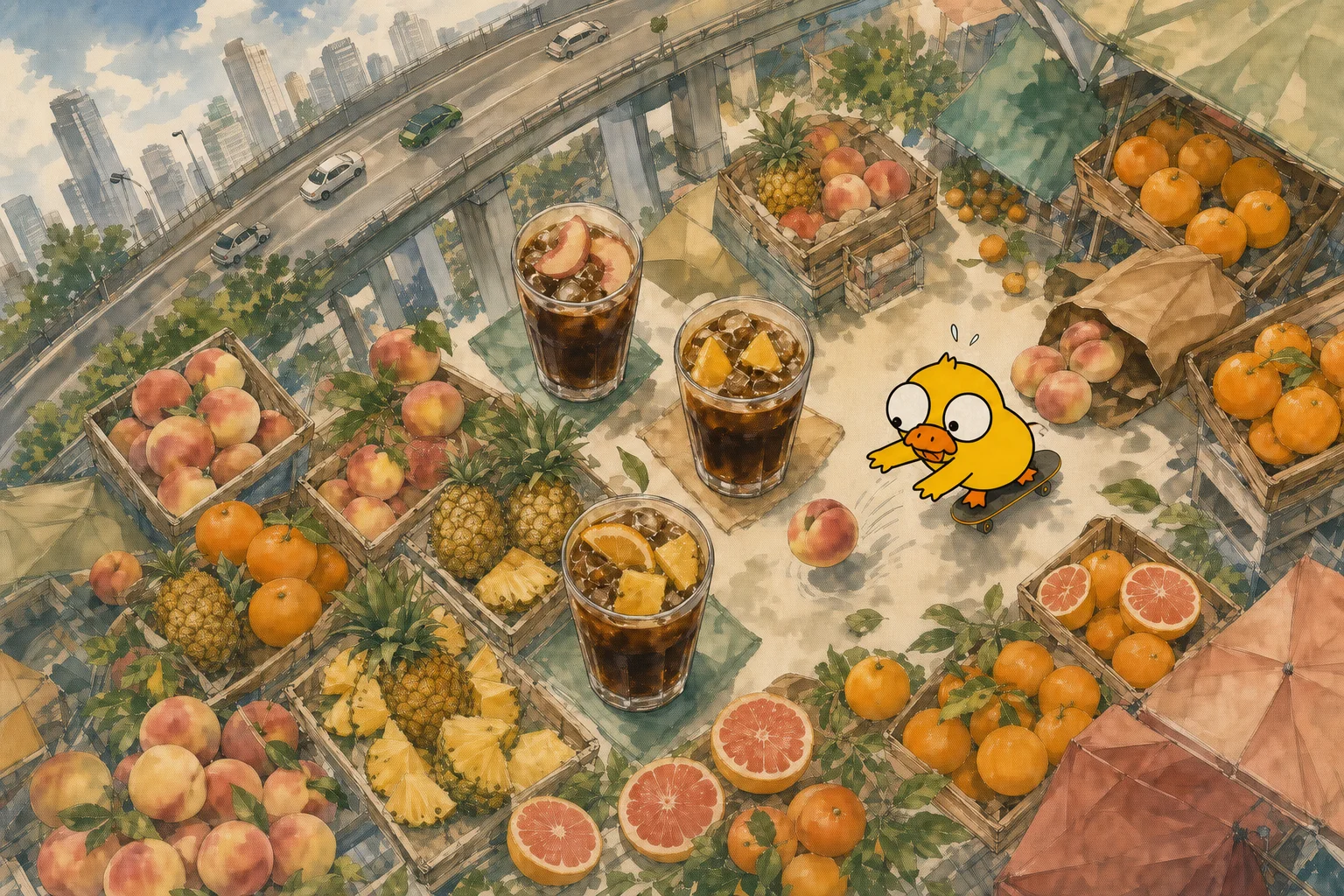
5. Peach Americano|Cotti Coffee
Taste: Juicy peach arrives first, followed by the roasted edge and mild bitterness of an Americano. It is softer than an orange coffee and drinks more like a summer fruit cooler.
Tatia’s take: Peach is already a familiar summer flavour in China’s drink shops. Putting it into an Americano turns coffee into something that follows the fruit calendar. That rapid, seasonal rhythm owes far more to China’.
How to order: This summer release launched in July 2026 and is designed as an iced drink. Start with less sugar so the peach and coffee do not flatten each other, and confirm that your chosen branch is participating.
6. Pineapple Americano|Cotti Coffee
Taste: Pineapple brings bright acidity and a tropical sweetness to Americano-style coffee. The first sip is sharp and lively; the roasted coffee flavour follows behind.
Tatia’s take: This drink arrived alongside a film collaboration, neatly capturing how Chinese chains launch products: seasonal fruit, pop culture and limited-edition packaging all land at once. The customer is buying a flavour, but also a small ticket into that week’s consumer conversation.
How to order: It launched on 27 July 2026 as a limited summer product. Standard or light ice works best. If acidic drinks bother your stomach, do not make it your first food or drink of the day.
7. Grapefruit Americano|Cotti Coffee
Taste: Grapefruit brings tartness, sweetness and its own faint bitterness to an Americano. The result is brisk and refreshing, with a more grown-up finish than many orange-based fruit coffees.
Tatia’s take: Grapefruit works surprisingly well because it does not hide coffee’s bitterness—it rearranges it. This is a useful middle ground for anyone who finds a milky latte too heavy but a plain Americano too stark.
How to order: Have it iced. If acidic drinks bother your stomach, do not make this your first meal of the day. Grapefruit can also interact with certain medicines, so avoid it if your medication carries that warning.
8. Oat Cookie-Cup Latte|M Stand
Taste: The latte has soft oat and baked-cookie notes, but the real feature is the cup itself: it is edible. As coffee soaks into the wall, the last bites turn into a warm, coffee-flavoured dessert.
Tatia’s take: The pleasure is as much about the sequence as the flavour—drink the coffee, then eat the cup. M Stand is a trend-led urban chain rather than a mass-market giant on Luckin’s scale, , a piece of design and a social-media moment at the same time.
How to order: Do not leave it sitting for too long, because the cookie gradually softens. The edible cup contains grains and other common baking ingredients; ask before ordering if you have allergies.
9. Fresh Coconut Iced Coffee|M Stand
Taste: Espresso is poured into fresh coconut water for a clean, lightly sweet drink. Once the coffee is gone, you can scoop out and eat the coconut flesh.
Tatia’s take: This and Luckin’s coconut latte use the same headline ingredient in completely different ways. Luckin turns coconut into a dependable everyday formula; M Stand preserves the whole fruit and turns it into a small tropical spectacle.
How to order: Natural coconuts vary in sweetness, and availability can depend on season and supply. Take your photo if you want one—but drink it while the coffee is still properly cold.
10. Coconut Latte|Lucky Cup
Taste: Coconut, milk and coffee are all easy to recognise. It is sweet, straightforward and designed to be approachable rather than subtle.
Tatia’s take: It is less theatrical than M Stand’s whole coconut and less famous than Luckin’s category-defining version. That is why it belongs here. Lucky Cup brought coconut coffee into a lower price tier and a much more ordinary daily setting, showing how an “innovative” flavour eventually becomes simply what people buy on the way to work.
How to order: Treat it as an easy street drink rather than a specialty-coffee tasting exercise. The word “coconut” does not guarantee that the recipe is dairy-free, so check if that matters to you.
Why Does Coffee in China Increasingly Look Like Boba?
Because the two industries now speak a similar product language.
Tea chains taught Chinese customers to expect frequent launches, seasonal ingredients, branded collaborations and adjustable sweetness. Coffee chains entered that same market and began using familiar local flavours to make espresso less intimidating.
A single Chinese coffee drink may therefore do several jobs at once:
- replace plain dairy flavour with coconut, rice milk or a tea base;
- add orange, grapefruit or another fruit to an Americano;
- borrow butter, cream cheese or cookies from the dessert counter;
- use limited editions and visual design to turn “trying the new one” into a social activity.
None of this means that people in China do not drink black coffee, or that flavoured chain drinks are somehow superior to specialty coffee. They answer a different need: something quick enough for a commute, affordable enough to buy often, easy to understand and new again a few weeks later.
Four Things to Check Before You Order
1. Make sure it actually contains coffee. Chinese coffee chains often sell tea, milk tea and caffeine-free drinks alongside espresso beverages. The picture alone may not tell you which is which. 2. Adjust sweetness and ice. The standard recipe may be sweeter than the latte you usually drink. Less ice does not always mean more drink; policies vary by chain. 3. Watch for double caffeine. A tea-coffee hybrid may contain caffeine from both tea and espresso. A delicate floral aroma does not necessarily mean a gentle caffeine hit. 4. Never guess allergens from the name. Coconut milk, oat products, cheese foam and “fresh cheese” drinks may still contain dairy, nuts or other ingredients. Ask the branch about recipes and cross-contact.
One Drink That Missed the List—but Belongs in the Story
In 2023, Luckin and Kweichow Moutai launched the viral Sauce-Flavoured Latte, made with a dairy ingredient carrying the aroma of China’s best-known style of baijiu. For many people, it was the moment they realised just how far Chinese chain-coffee experimentation could go.
It is more useful today as a cultural case study than as an ordering recommendation. Collaboration drinks are often temporary, and an old photo is not proof that a product is still available. Whenever a coffee contains alcohol or an alcohol-flavoured ingredient, read the notice carefully; children, pregnant customers, drivers and anyone avoiding alcohol should never assume that the word “latte” makes it suitable.
Final Thoughts
If your ideal cup is a black coffee that clearly expresses its origin, processing method and roast, this list was not written for you.
But if you are willing to use coffee as a small window into contemporary Chinese city life, these drinks have plenty to say. Here, coffee can resemble flower tea, fruit juice or a rice dessert—and occasionally arrive inside a cup you can eat.
Begin with a coconut latte to understand the everyday mainstream. Then choose one tea-coffee or fruit coffee and see whether the combination works for you. There is no need to complete all ten. Menus move quickly, and missing a limited edition is part of the culture too.
If you find one that genuinely surprises you, pass the recommendation on to the next friend visiting China.
Comments
Listening for comments…