A Tatia cultural discovery
The Secret Life of “Eat” in Chinese
And we don't mean food.
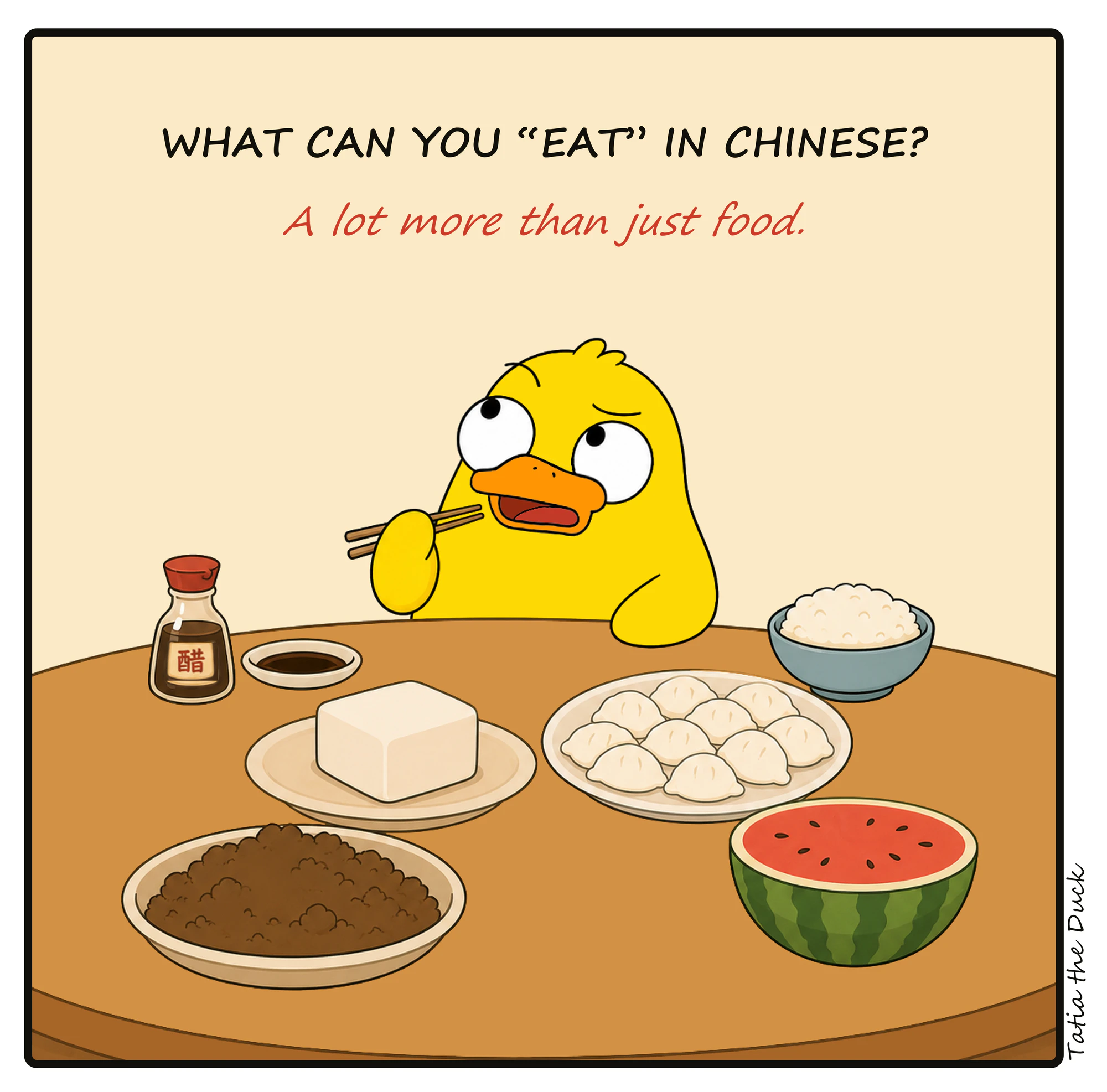
In Chinese, 吃 (chī) means “to eat.” Simple enough. But then you start learning Chinese and discover that people can eat vinegar when they’re jealous, eat dirt when they’re broke, and eat melon while following drama. Confused? Good. Here are six things Chinese people “eat” that aren’t really about eating.
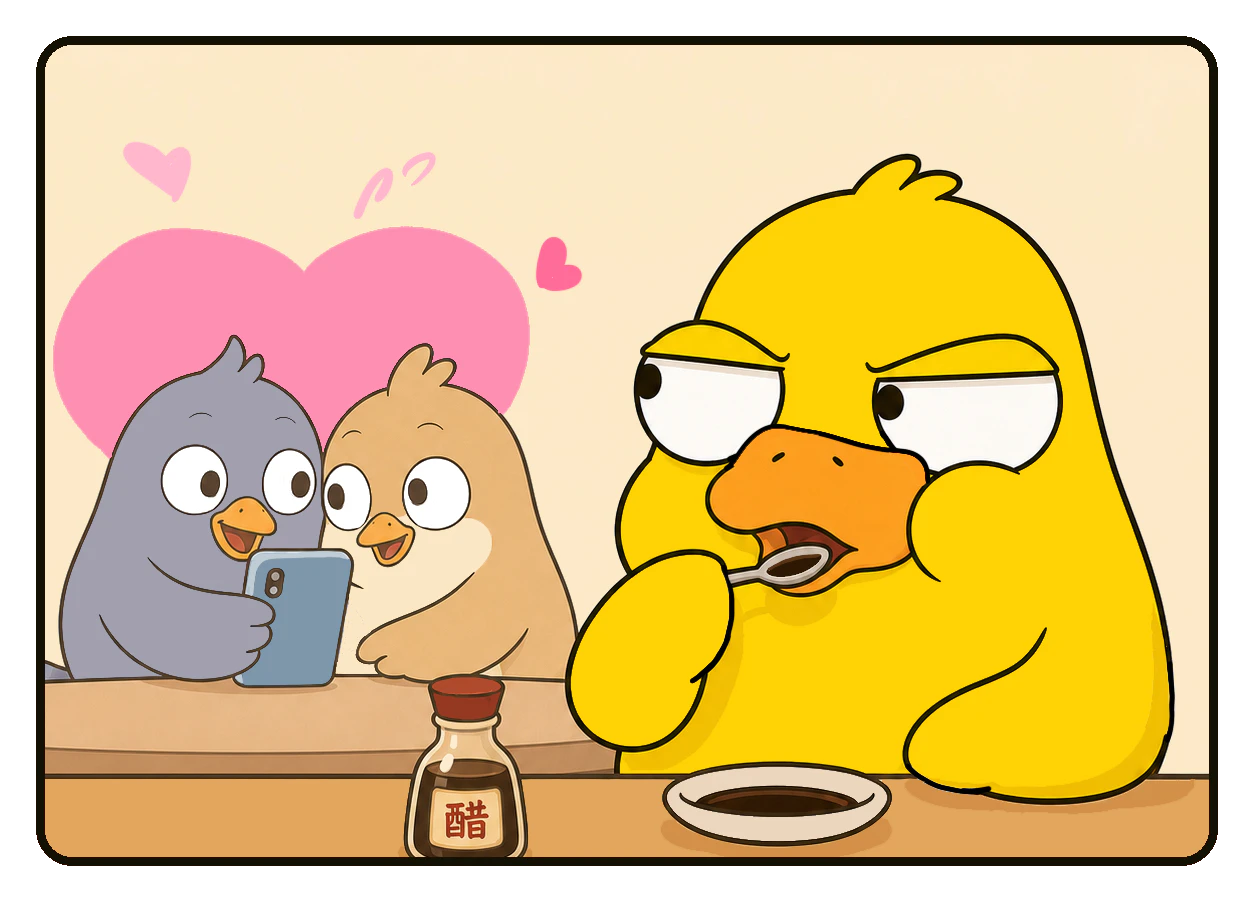 吃醋 (): Why Does “Eat Vinegar” Mean “To Be Jealous”?In Chinese, “eat vinegar” is the very ordinary way to say someone is jealous.Explore expression →02
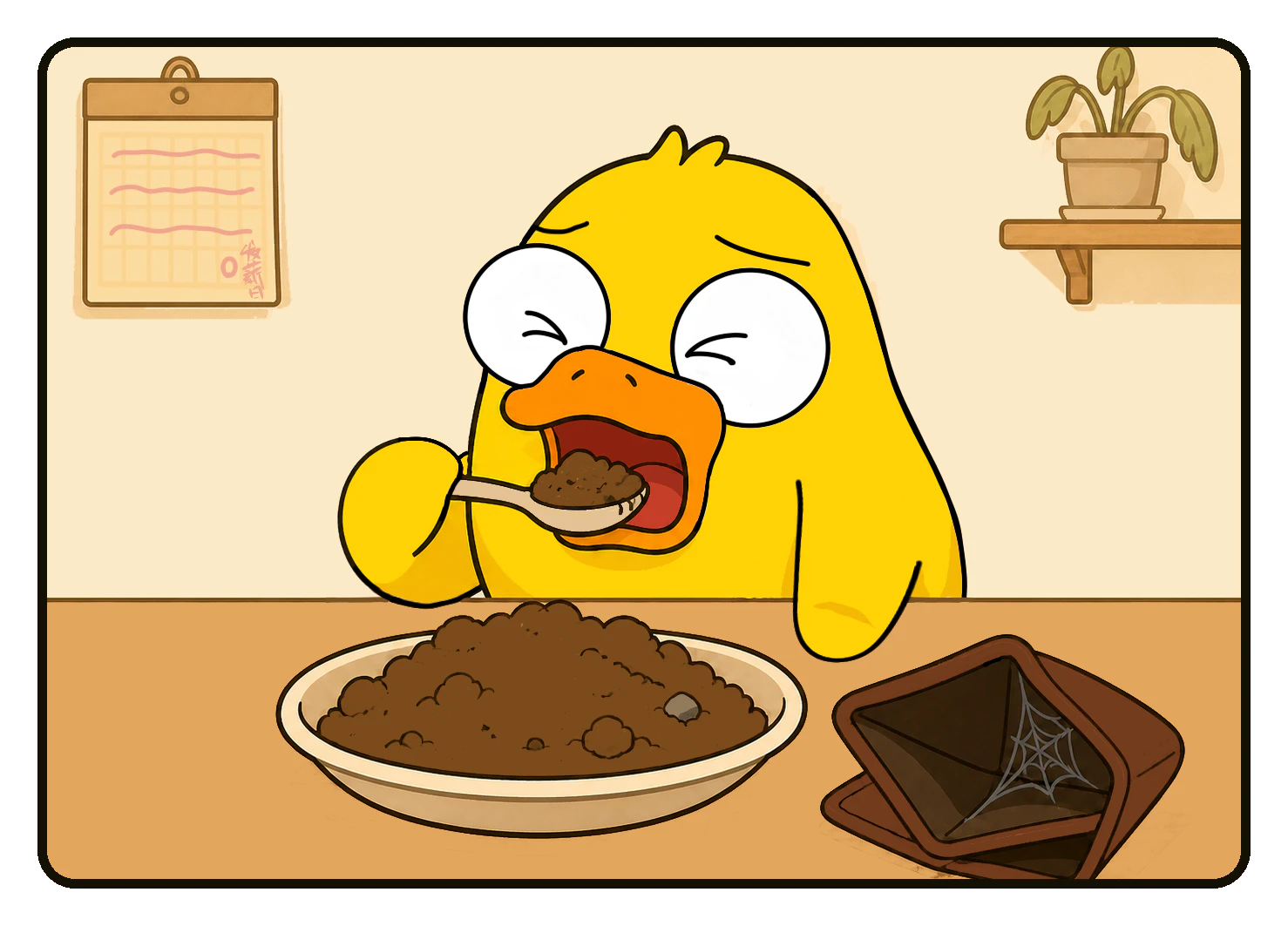 吃土 (): Why “Eat Dirt” Means “I’m Broke”A playful way to say you are broke — often after a very tempting purchase.Explore expression →03
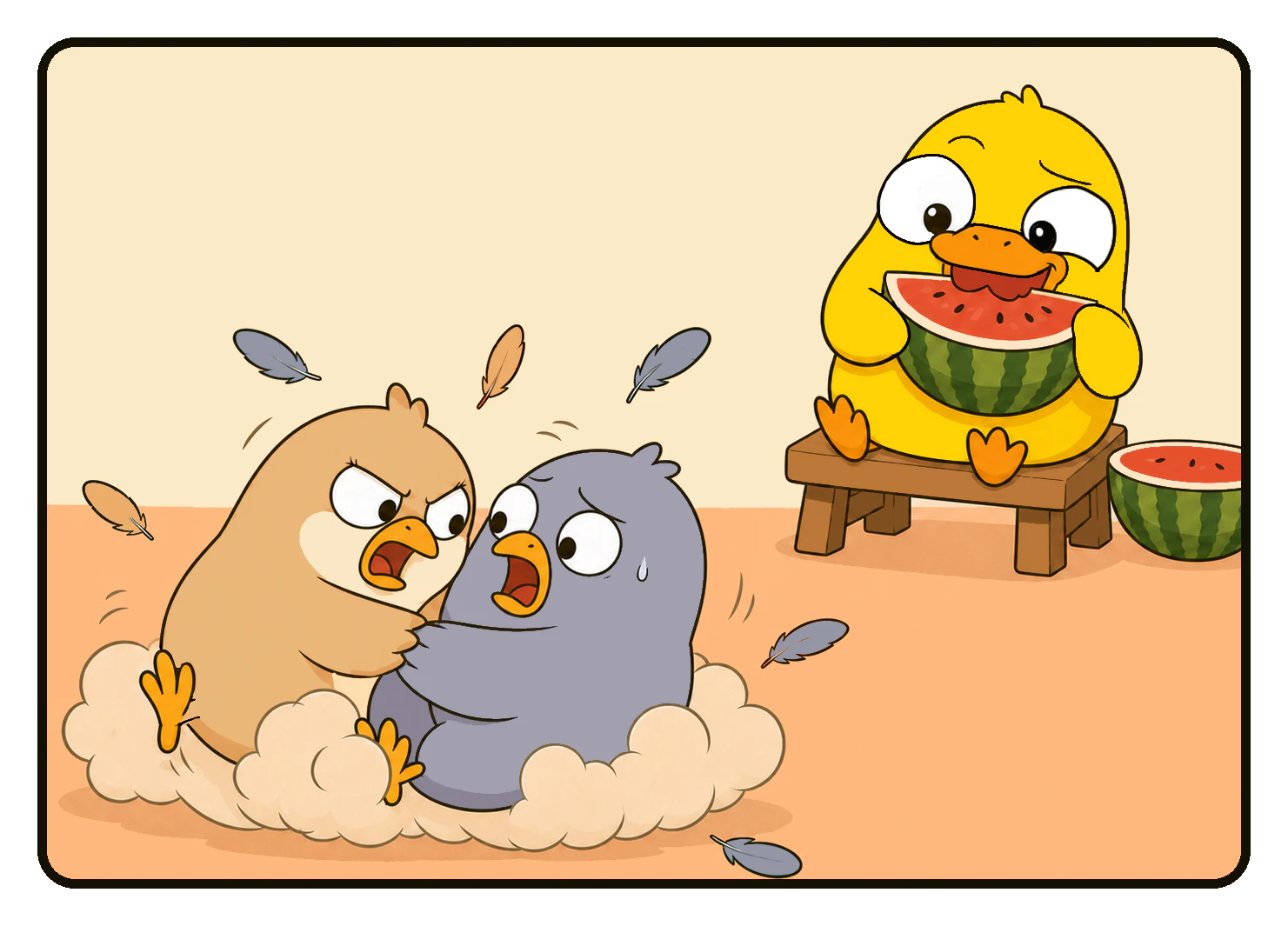 吃瓜 (): Why Does “Eat Melon” Mean Follow the Drama?To follow the gossip, drama or online spectacle from the sidelines.Explore expression →04
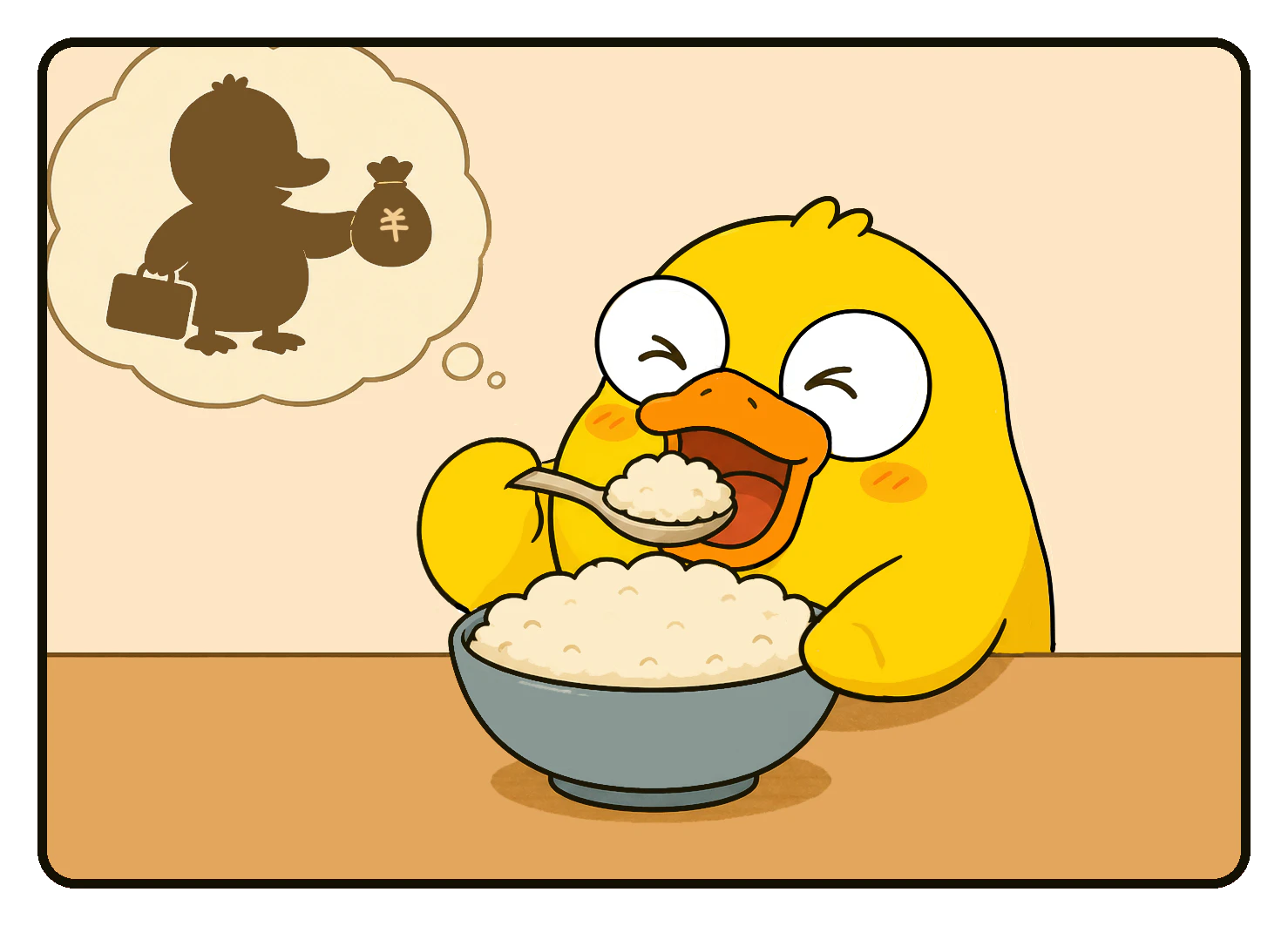 吃软饭 (): What Does “Eat Soft Rice” Mean?To live off a partner financially — usually a judgment, not a compliment.Explore expression →05
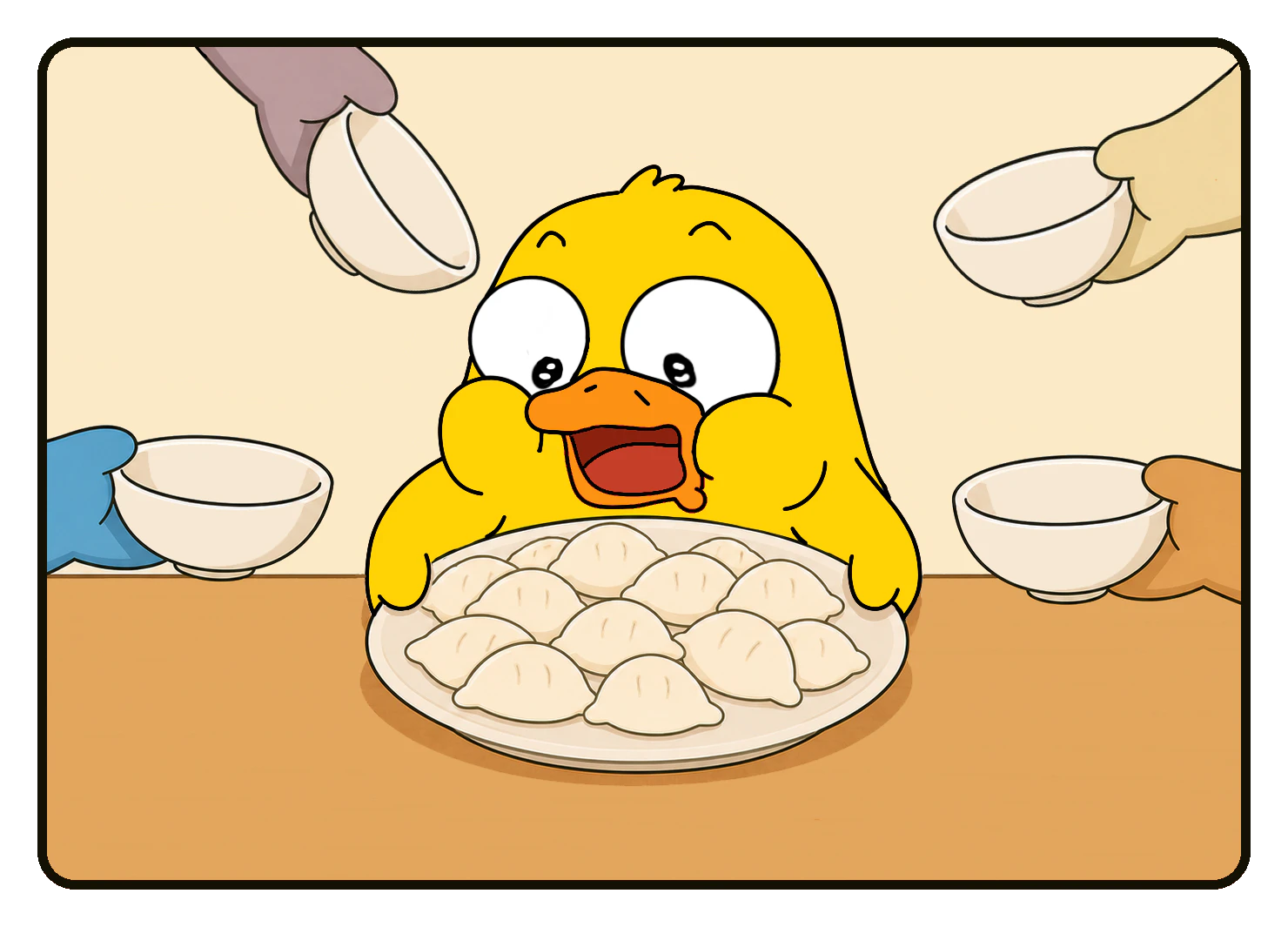 吃独食 (): Why “Eat All by Yourself” Isn’t About Eating AloneTo keep food, information, opportunities or credit to yourself instead of sharing.Explore expression →06
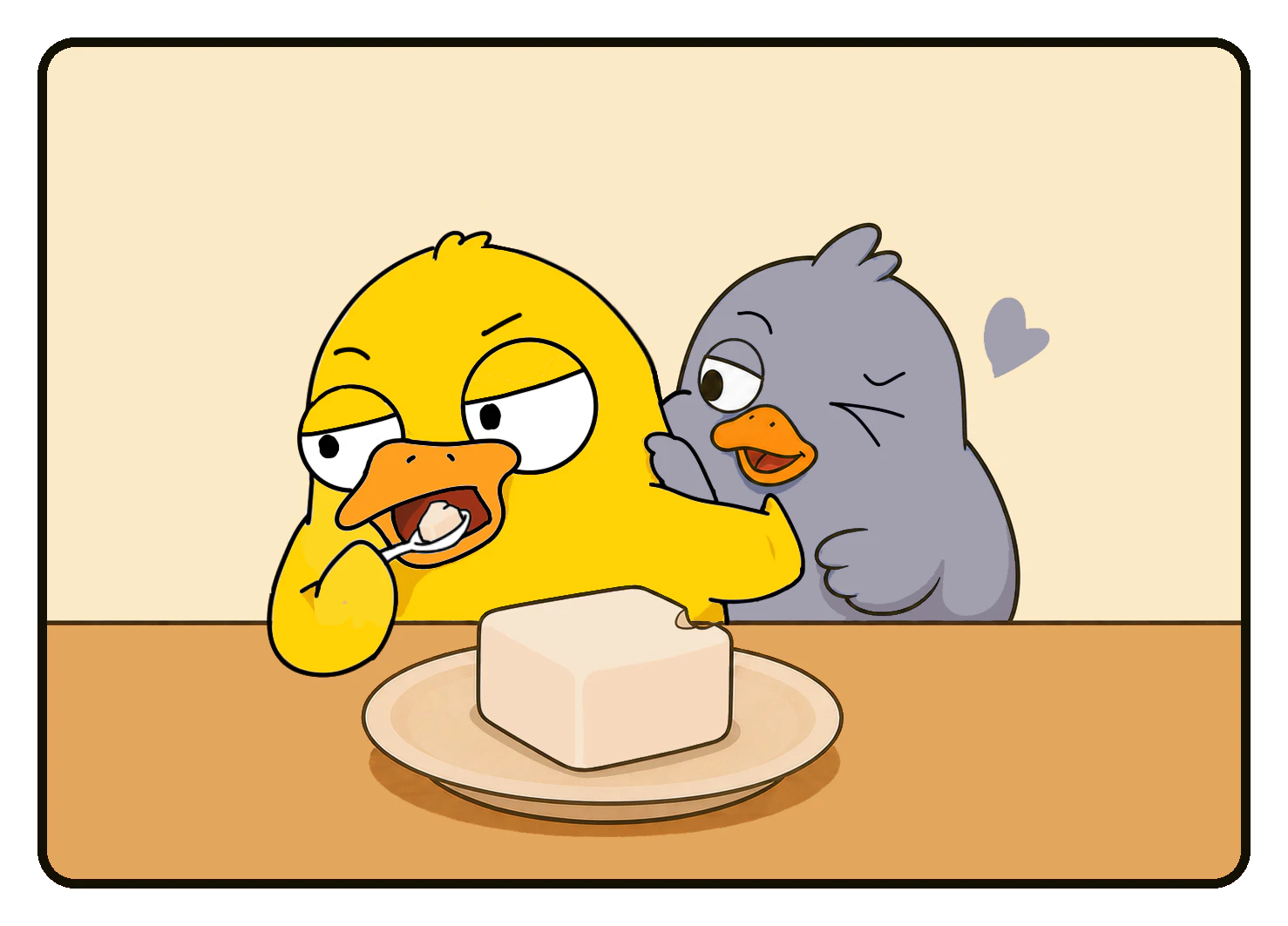 吃豆腐 (): A Phrase About Boundaries, Not LunchTo take unwanted liberties with someone. This is about boundaries, not romance.Explore expression →